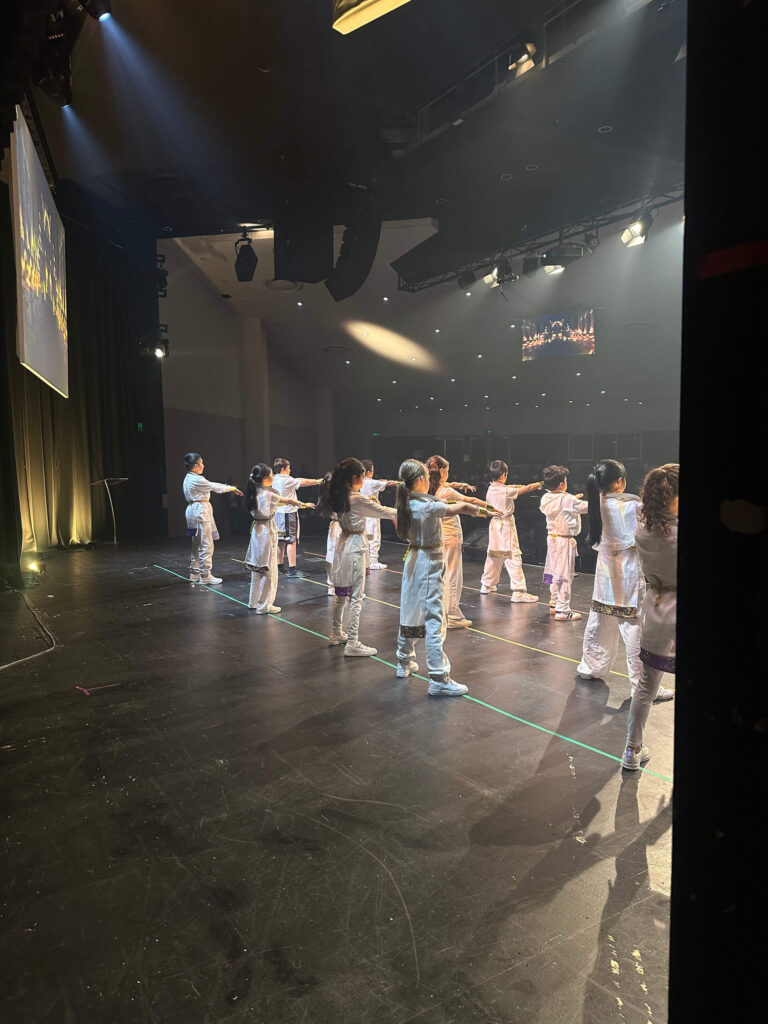
As schools begin planning for the year ahead, conversations naturally focus on productions.
Dates.
Venues.
Budgets.
Timelines.
They’re all important discussions. But over the years, one question has become almost instinctive for me.
“Where do you want your Performing Arts program to be in three years?”
There’s almost always a pause. Not because school leaders don’t value Performing Arts. Quite the opposite. It’s because very few people have ever been asked to think about it strategically. I’ve come to realise that we spend a lot of time planning productions, but far less time planning Performing Arts.
They’re two very different conversations.
One is about delivering an event.
The other is about building a program.
When we shift the conversation, we start asking different questions. What opportunities do we want every child to experience before they leave our school? What role should Performing Arts play in our school culture? How do we continue to grow staff confidence and capability? What does success actually look like?
These questions move us beyond logistics and towards long-term thinking. Schools have strategic plans for literacy, wellbeing and community engagement. I believe Performing Arts deserves that same level of intentional planning. Not because every child will become a performer, but because every child benefits from the confidence, communication, collaboration and resilience that Performing Arts helps develop. When schools have a clear vision, every production becomes more than an event. It becomes another step towards building a culture where creativity is valued, students feel they belong, and every child has the opportunity to grow.
Perhaps the most important conversation isn’t:
“What production are we doing next year?”
Perhaps it’s:
“What kind of Performing Arts program are we building for the years ahead?”